
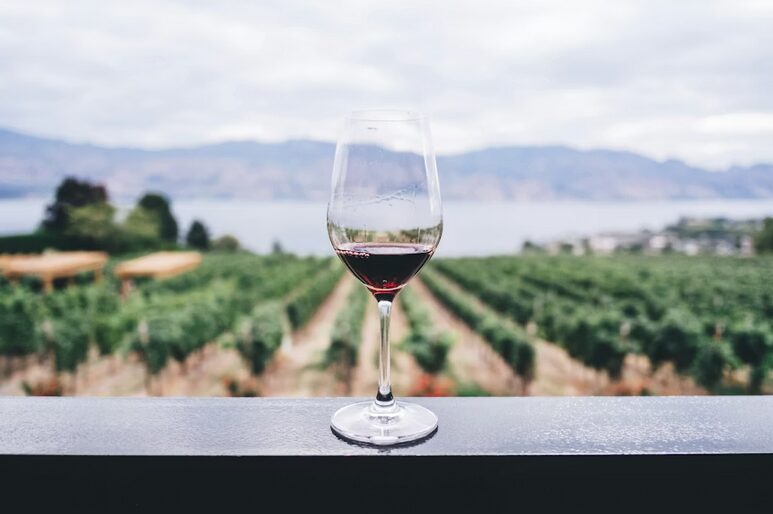
Some wines are unforgettable. You sip them once, and years later, the taste, aroma, and emotion come rushing back. Unlike everyday bottles that fade into the background, these wines leave an impression that feels almost tangible. But what makes a wine stick in your memory? It’s not just the grape or vintage—it’s the combination of flavor, storytelling, context, and craftsmanship.
Let’s uncork the elements that make certain wines linger long after the glass is empty.
Craft and Legacy Behind the Label

The first layer of a memorable wine is the story behind it. Wines from vineyards with deep traditions, meticulous practices, or unique philosophies often carry an intangible aura. A globally oriented wine house may produce wines that reflect decades of expertise, careful terroir selection, and a philosophy of balance and expression. These layers of intention infuse the wine with a sense of place and personality that you can almost taste. Knowing the history, vision, and effort behind the bottle adds dimension to the experience. It transforms drinking wine from a simple sensory act into a narrative journey, making it easier to recall later.
The Role of Terroir
Terroir is the concept that soil, climate, elevation, and other environmental factors influence a wine’s character. Wines that showcase distinctive terroir often leave a lasting impression because they offer something truly unique to the palate. Mineral undertones, subtle floral notes, or a striking fruit intensity can transport the drinker to a specific vineyard or region with each sip. When a wine expresses its origin so clearly, it becomes more than taste—it becomes memory. Your mind links the flavor to a sense of place, creating a mental snapshot that endures.
Complexity and Balance
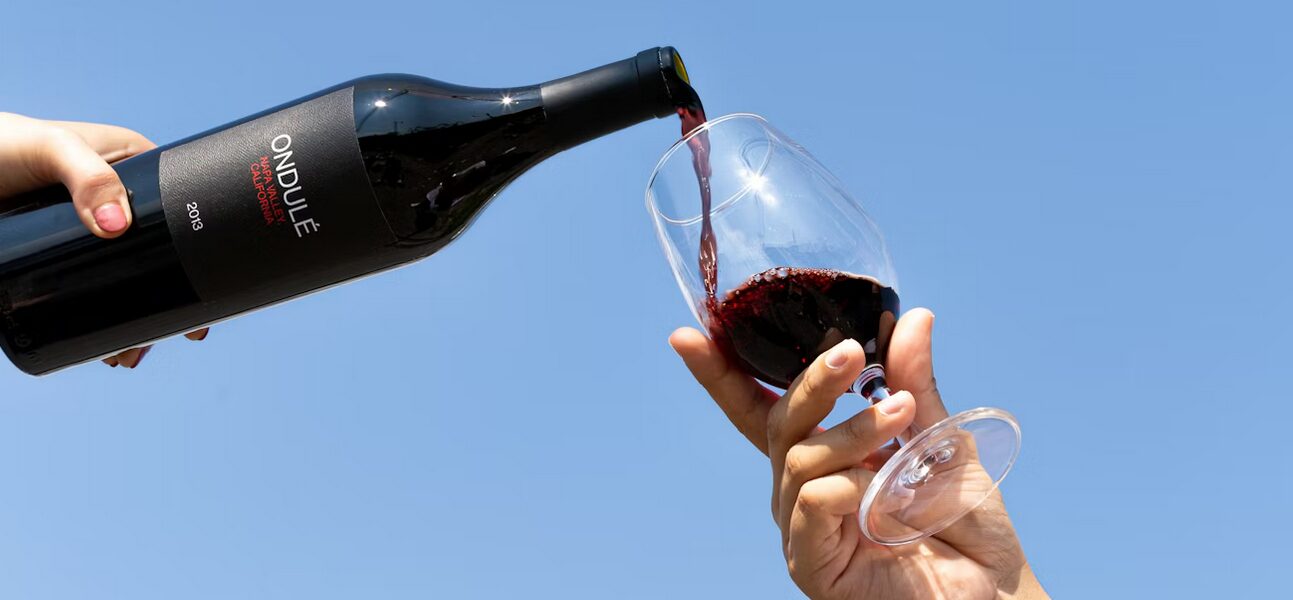
Wines that linger are rarely one-dimensional. Complexity—the interplay of acidity, tannins, sweetness, and aroma—creates a dynamic experience that evolves on the palate. Balanced wines, where no element dominates, tend to be easier to savor and remember because they invite multiple passes of tasting and reflection. These qualities encourage mindfulness. When you notice subtle changes in aroma and flavor over time, the experience becomes layered and memorable, leaving a stronger imprint than a wine that is simple or flat.
Emotional Connections
Memory in wine isn’t purely chemical—it’s emotional. Often, the wines we remember are tied to special occasions, travel experiences, or shared moments. A first sip on vacation, a celebratory toast, or a quiet evening with someone meaningful can elevate a wine from enjoyable to unforgettable. Emotions act as anchors in memory formation. Even if you forget the technical details of the bottle, the feelings associated with drinking it—joy, warmth, nostalgia—linger, giving certain wines a permanent place in your mental wine cellar.
Sensory Triggers and Aromas
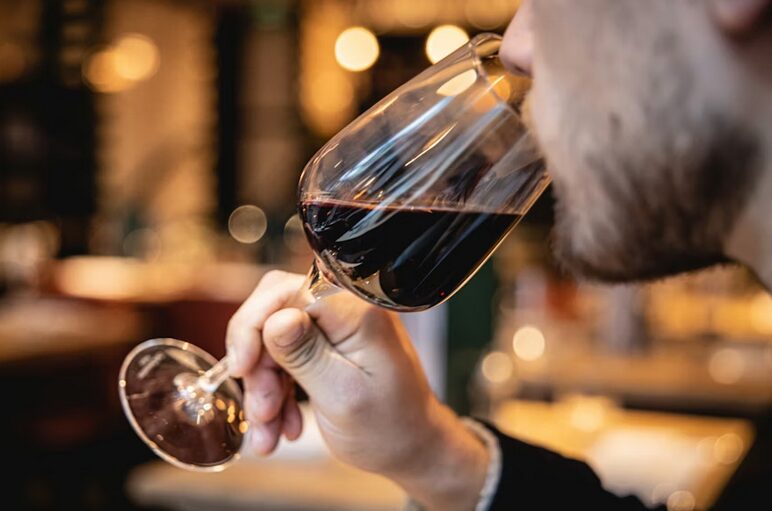
Smell is one of the strongest senses linked to memory. Aromas of ripe berries, toasted oak, or earthy minerals can trigger vivid recollections of past experiences. Wines with distinctive aromatic profiles often imprint themselves more effectively than subtle, generic options. That’s why sommeliers emphasize the “nose” of the wine—it’s not just about flavor but about the memory it evokes. Additionally, wines that evolve in the glass—releasing new scents and flavors over time—offer repeated moments of discovery, reinforcing the memory loop and making the wine unforgettable.
Cultural and Culinary Context
Finally, the context in which a wine is enjoyed matters. Pairing a wine with complementary dishes …